This is part of a series examining the issues in the presidential election. To see other articles in the series, click on the “2020 Elections” link on the Home page
Score
Biden -.5 Trump +2
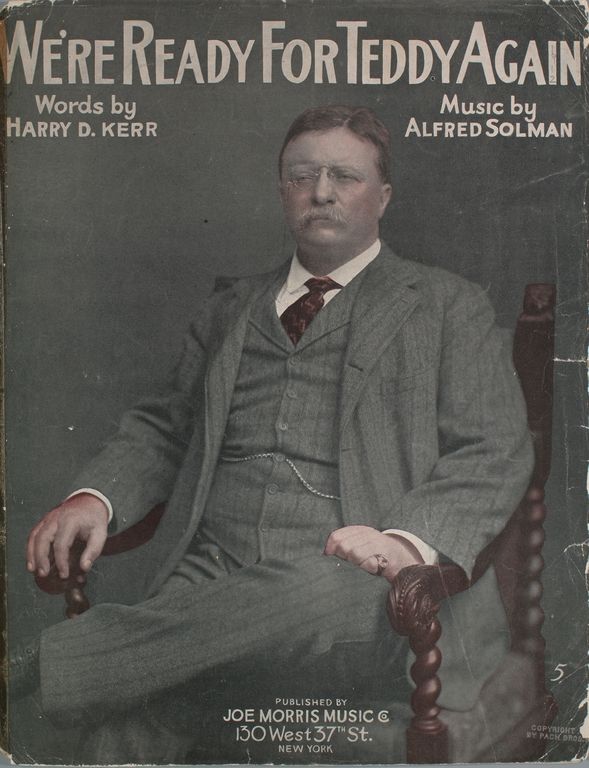
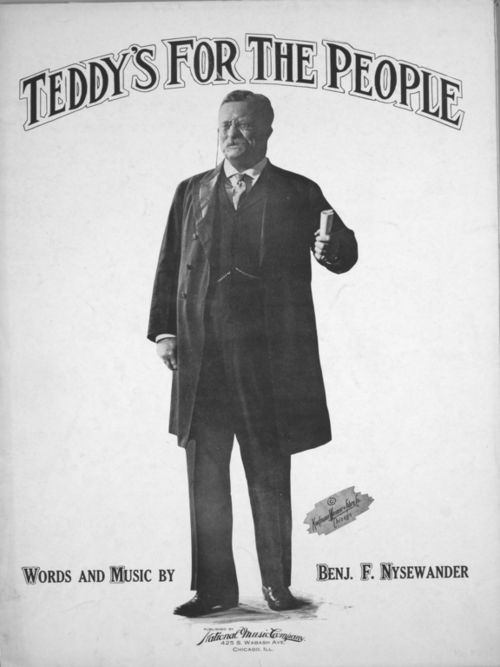
Roosevelt’s commitment to the working man was born of two incidents of violence in his life that challenged his fundamentally conservative impulses. The first was the assassination of President William McKinley by an anarchist, which led to Roosevelt’s succession to the presidency. The anarchists were the Antifa/Islamic terrorists of their time and arose out of the economic inequality and discontent that were byproducts of the Industrial Revolution. The second was his service with the Rough Riders in the Spanish-American war. TR saw bravery in both poor cowboys and privileged Northeastern elite in the charge up San Juan Hill and believed their government owed them a “square deal” for that bravery, which he defined as follows:
But when I say am for the square deal, I mean not merely that I stand for fair play under the present rules of the game, but that I stand for having those rules changed so as to work for a more substantial equality of opportunity and of reward for equally good service.
At the same time, he expected the average worker to respond by contributing to his family, community and country, not simply demanding a handout from the government.
In today’s economy, we need to change the rules on economic concentration, trade and immigration to give American workers a real chance to achieve the American Dream of stable and independent financial security. Biden and Trump have verifiable records with successes and failures on these issues.
Antitrust Law
The abuses of Big Tech have revived interest in antitrust policy and exposed its deficiencies in today’s world economy. The problem lies in the fact we are still trying to regulate these 21st century monopolies using 19th century laws. We learned in the 2008 financial crisis that allowing companies to become “too big to fail” created a new form of monopoly rents by allowing elites to privatize profits while socializing their risk of loss. Meanwhile, Big Tech was finding new ways to leverage customer data to monopolize the Internet advertising and product sales market.
The Trump Administration’s challenge to the ATT-Time Warner merger attempted to build a case against bigness itself by attacking vertical mergers. Unfortunately, the DC Circuit Court of Appeals upheld the merger on the grounds it created useful efficiencies, which completely misses the point. They also recently filed a lawsuit against Google over their use of their monopoly power over Internet searches to raise advertising prices. However, Trump failed to pursue modernization of the antitrust laws themselves. Despite this failure, these two innovative suits earn Trump a + .5.
The Obama Administration also had an active antitrust docket and challenged several mergers with limited success. The losses in both the Obama and Trump Administrations emphasize the need for a modernization of the rules. The Democratic House just released a comprehensive report on Big Tech’s abuses of their market power that could serve as a start for a re-tooling of the statutes. All of this suggests Biden should be given a +.5 on the issue as well.
Trade
Protecting America and its workers from unfair international trade practices has been an area where the Trump Administration has shined. They understand the importance of a strong manufacturing sector and have not subjugated American policy to the slow and sometimes hostile mechanisms of the World Trade Organization. Alan Tonelson of RealityChek has pointed out that the tariffs against China and others have not prevented the manufacturing sector form succeeding during the pandemic without a loss of jobs (see his post from October 19). At the same time, the administration preserved the strategically important partnership between the US, Canada, & Mexico by concluding the U.S.- Mexico-Canada Agreement. Trump deserves a +1 for these achievements.
Biden’s record and positions are almost the polar opposite. He wants to return to the multilateral approach, ignoring America’s unique great power interest in preserving its internal economic strength. However, he has also said he would relax the Chinese tariffs gradually and only upon concessions from the Chinese. Biden says he would prioritize developing an international coalition to challenge Chinese state capitalism as well. The latter positions reduce his negative score to a -.5.
Immigration
Trump’s’ actions to restrict illegal immigration have been divisive, haphazard and often poorly justified on ethnic nationalist grounds. However, they have changed the dynamic and started to limit the use of immigrant workers to compete with Americans (see my post “Immigration – The New Slavery). However, Trump failed to seize the opportunity to pass comprehensive immigration legislation when he had a Republican Congress. Because of this failure, he deserves only a +.5 on the issue.
Biden and the Democrats have understandably concentrated on the necessity of legalizing immigrants that have been here for years. They then oppose any real future controls on immigration and would expand the number of HIVB-style visas, thus allowing big companies to use foreign workers to continue to pay substandard wages. As a result, they deserve a -.5 on this issue.
Conclusion
Many other changes in the rules of the game are necessary to give American workers the economic opportunities they deserve. Mere income redistribution is not enough. Americans simply want their government to give them a fair chance to compete and contribute; in short, the square deal that TR believed in and for which he fought.